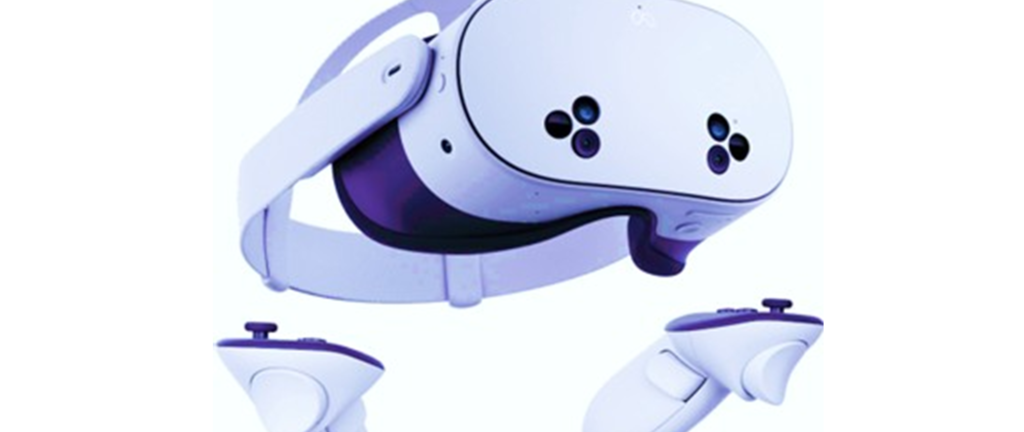
Why Is Meta Pulling Away from Horizon Worlds?
Meta made a massive investment in its virtual social world, Horizon Worlds, and with it came an enormous bandwagon. Creators, businesses, and brands jumped in to build content and presence there. On paper, it was a genuinely compelling concept. As authors like Cathy Hackl and Matthew Ball have pointed out, virtual worlds offered a remarkable range of business opportunities. In Into the Metaverse, Hackl explored the multi-field nature of these spaces — from advertising clothing on virtual models to displaying personal art inside Horizon itself. Ball, deeply connected to the Epic Games world, drew parallels between this kind of virtuality and what Fortnite had quietly become: not just a game, but a platform where major music artists performed live virtual events to millions of fans.
And yet, here we are.
Meta announced that by March 31, 2026, Horizon Worlds and its Events would no longer appear in the Quest Store. Several flagship worlds — Horizon Central, Events Arena, Kaiju, and Bobber Bay — would cease to be available in VR. Users would then have until June 15, 2026, after which the Horizon Worlds app would be removed from Quest headsets entirely, with the platform surviving only as a mobile experience on iOS and Android. Meta Community Forums In a striking twist, Meta partially reversed course within 48 hours, with CTO Andrew Bosworth announcing they would keep existing VR worlds accessible “for the foreseeable future” — though no new VR content would be developed, and the company’s focus would remain squarely on mobile. CNBC
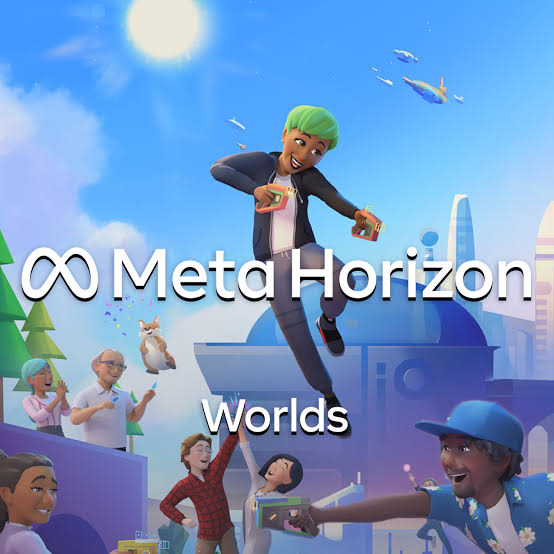
So What Happened?
Meta simply did not find the engagement they anticipated. Having vast technical infrastructure is one thing; having genuine insight into human behavior is another. Sometimes companies accumulate too many people who understand computers and too few who understand people — and the latter, it turns out, is what actually drives adoption.
People did not want to live in virtuality. The deeper truth is that people want to feel more connected to the real world, not less. Being asked to strap on a headset and inhabit a digital sphere runs counter to that instinct.
The numbers bear this out. Reality Labs, Meta’s division behind the metaverse, has lost $73 billion since 2021, the year Meta rebranded from Facebook. Meanwhile, Horizon Worlds never drew more than a few hundred thousand monthly users, while Roblox regularly reports over 100 million. TechCrunch Global VR headset shipments fell 12% in 2024, marking the third consecutive year of decline, and in the first half of 2025 they fell another 14% year-over-year.
The Reddit community saw it coming. The general sentiment online has been a collective “we told you so,” with one comment capturing the mood: “The sucking sound of tens of billions invested in the metaverse disappearing into nothing.” Snazzy Solutions Many users found the whole endeavor uncomfortably close to the kind of dystopia depicted in series like Black Mirror — a future nobody actually asked for. The lack of surprise, in many ways, was itself the most damning verdict: the downfall felt inevitable to those paying attention.
The business model did not help, either. Meta sold its VR headsets at competitive prices, but the ecosystem surrounding them was built on paid apps and microtransactions. Users who had already spent money on hardware were then expected to spend more within the platform to justify having it — a friction that compounded the already steep barrier to entry.
The Lesson Nobody Should Have Needed
Companies such as Nintendo, with the acclaimed Nintendo Switch, understand this and adapt their consoles to the use of people and their lives, rather than adapting the lives of people to a virtual world within the console. Nintendo Switch is made to be played at home, often in a social setting with many multiplayer options, but it also adapts to commuting by offering an all-in-one handheld option.
People want to enrich their lives, not escape them.
The pattern holds more broadly: people want to enrich their lives, not escape them. Given the choice between rich, high-fidelity visuals on a gaming PC or high-end console, where the artistry of a game can be appreciated in full — and a compromised visual experience inside a VR headset, most people will choose quality and comfort over novelty.
What VR Actually Is — And Isn’t
None of this means VR is finished as a medium. It has demonstrated genuine value in educational contexts, and it works wonderfully as a fitness platform, with a growing library of apps designed around movement. And yes, swinging lightsabers and shooting games in VR remains genuinely fun in a way that no flat screen can quite replicate.
But that is precisely the point. VR is a format for specific, powerful experiences; not a parallel reality where people buy virtual property, run virtual businesses, and live a whole second life. Real life is already demanding enough. It already takes real effort to navigate housing, finances, relationships, and career. Asking people to manage a VR version of all that was a solution for a problem that most people were not trying to solve.
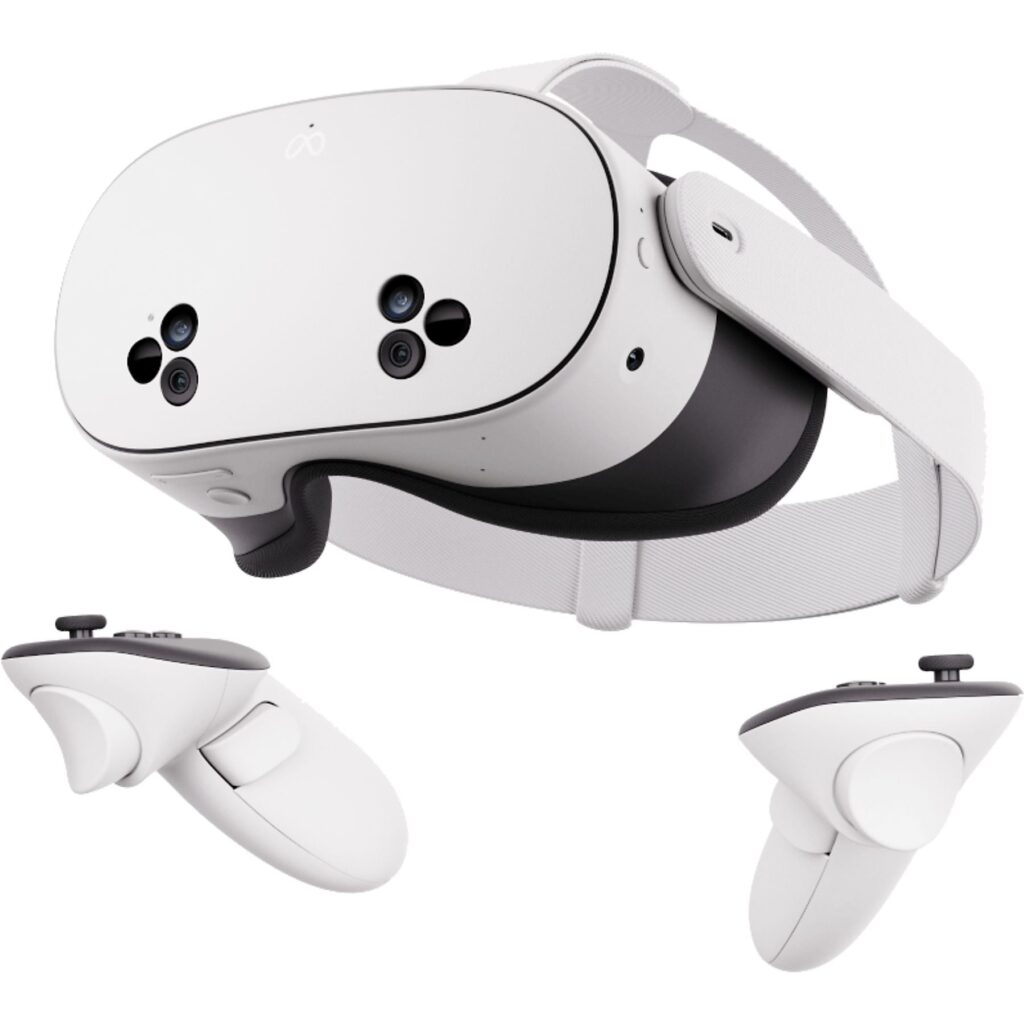
The lesson of Horizon Worlds is less about technology and more about humanity: know your audience, understand what people actually want, and do not confuse what is technically possible with what is humanly desirable. And still, Meta Quest devices are very compelling, price-friendly forms of entertainment that are worth recommending to anyone. Meta should focus on what people like within these pieces of hardware, since they are, indeed, very good and promising devices.